The OpenAI model Sora has really caught people’s attention, marking the start of AI-driven video production. It has given creators and businesses many new options, enabling them to create videos that look really real and grab your attention from simple text prompts. Like many AI tools, Sora usually puts a clear watermark on what it creates. Watermarks are important for proving authenticity and giving credit, but they can also limit creativity, professional use, and branding. This article looks into how to remove sora watermark videos in a careful and responsible way. It covers safe methods, creative options, and the ethical questions that arise when creating AI content.
Understanding remove sora watermark in AI-Generated Content
Understanding watermarks in AI-generated content means knowing how small markers or patterns are added to digital work to indicate where it originated or who created it. These watermarks help identify if an image or text was created by an AI tool. They can be hidden in ways that most people won’t notice, but can be spotted with the right tools. This is useful for tracking the source or ensuring the content isn’t used wrongly. Watermarks don’t change the main content but act as a subtle sign of origin.
Why Watermarks Matter
It’s important to understand why remove sora watermark matter before looking at ways to remove them. Watermarks are usually digital marks placed in videos or images. They serve several purposes:
Giving Credit and Attribution
Watermarks help show who created the content and protect the creator’s rights by clearly marking the source.
Branding
remove sora watermark serve as a subtle way to brand content, connecting it to a specific person or entity.
Proving Authenticity
In a time when misinformation and deepfakes are so common, watermarks can help prove the origin of content.
Discouraging Unauthorized Use
Watermarks can help slow down unauthorized sharing and use of copyrighted content.
When it comes to AI-generated content like Sora videos,remove sora watermark play an important role in telling apart videos made by people from those created by AI. This difference is important for being ethical, being clear, and keeping trust in information.
How to Remove a Sora Video’s Watermark
It makes sense to want to remove watermarks, especially when you want your work to look clean and professional. It’s really important to look into ethical ways that follow the rules. Let’s check out a few common methods:
1. Using AI-Powered Inpainting and Object remove sora watermark Tools
Using AI-powered tools for painting and removing objects has become a handy way to get rid of unwanted things in images and videos, like remove sora watermark. These inpainting and object removal tools make the process much easier. These tools work by looking at the pixels nearby and smartly filling in the spot where the watermark used to be, making it vanish.
-
Professional Video Editing Programs: Programs like Adobe Premiere Pro and After Effects include advanced features, such as Content-Aware Fill for Video. The software fills in the area by looking at what’s happening in the video after users mask the watermark.
-
Online Watermark Removal Services: There are many websites that offer AI tools to remove sora watermark online. The service usually gives you a watermarked version once you upload your video and mark where the watermark should go. It’s important to check the reputations and data-handling policies of these services before you start using them.
Key Considerations for AI-Powered remove sora watermark
-
Effectiveness: These tools have gotten way better, especially at removing small or not very obvious watermarks. Their performance can vary depending on how complex the video is, where the watermark is placed, and its size.
-
Quality Preservation: Some tools aim to preserve the original video quality, but you might still notice minor drops or artifacts in edited sections. The best way to check if the quality is good enough is to compare the final product to the original video.
2. Using Cropping and Trimming Techniques
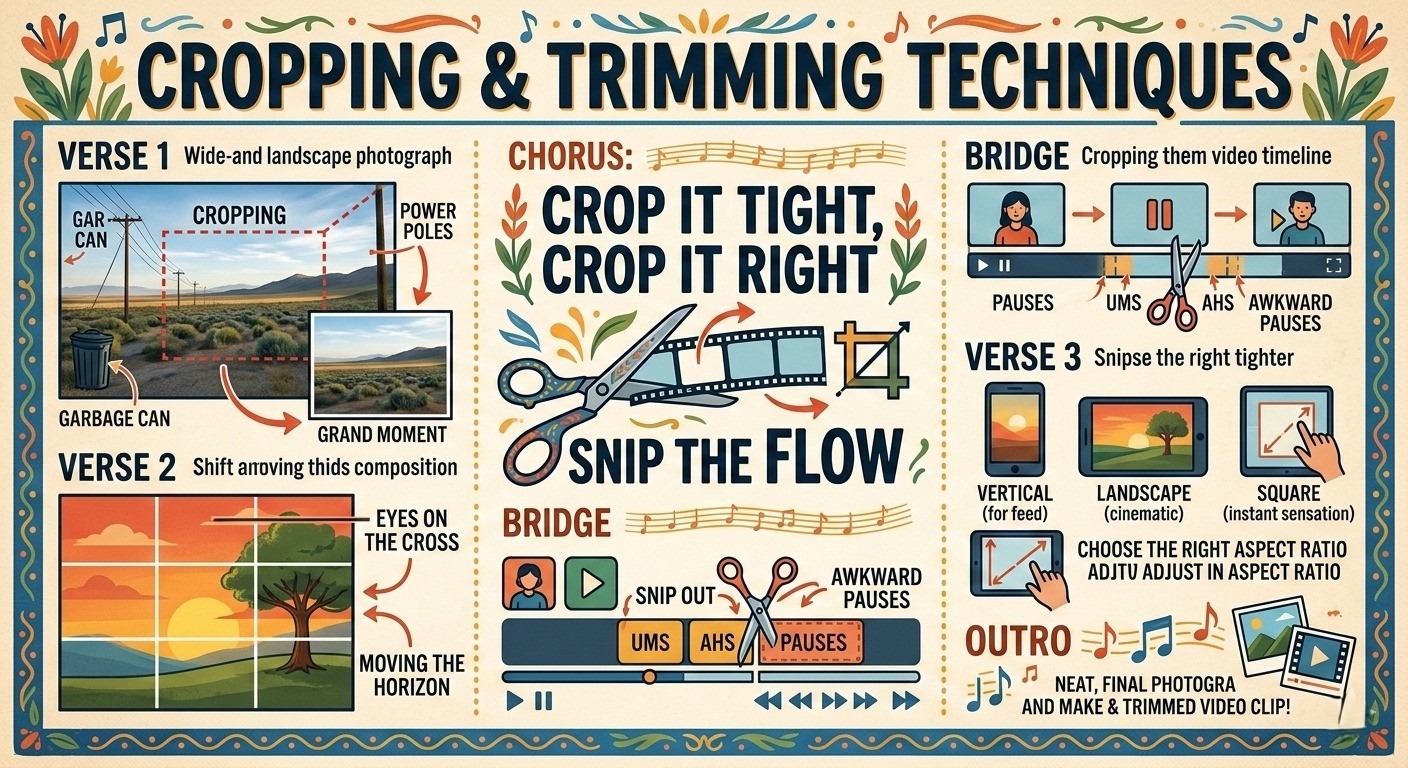
Watermarks near the edges of a video can often be removed by simply cropping or trimming those parts.
-
Cropping: Cropping means cutting out part of the video frame to remove the watermark. This method works, but it can crop out key parts of the video since it changes the video’s aspect ratio.
-
Trimming: If the watermark appears only at the start or end of the video, you can remove it by trimming those parts. This only works if the watermark is just temporary and not a key part of the video.
Downsides of Cropping and Trimming
When you crop a video, you often end up losing some important stuff, especially if the watermark is near key parts of the footage. Cropping and trimming only help if the watermark is in a spot you can remove without messing up the video’s quality or important parts.
3. Overlaying Graphic Elements or Text
One way to remove a watermark is to cover it with another image or text.
-
Overlaying Logos: Creators can put their own logos, branding, or social media handles over the watermark. This method lets you hide watermarks while also promoting your brand.
-
Adding Subtitles or Captions: Adding subtitles or captions by putting text over the watermark can hide the unwanted part and also give the viewer some extra information or context.
Benefits of Layering Elements
Allow creators to add a personal touch to their videos and strengthen their brand identity. Placing elements on top of each other doesn’t require complex inpainting algorithms to maintain the original video quality.
4. Seeking Official Access and Licensing
Sometimes the easiest way is just to go straight for official access or a license that lets you remove watermarks.
-
Enterprise Plans: Companies like OpenAI sometimes have enterprise plans that let you generate videos without watermarks.
-
Creator Programs: Joining creator programs or beta testing groups can sometimes give you access to features without watermarks.
Benefits of Official Access
Getting official access helps avoid legal trouble by ensuring you’re following the rules and licensing requirements. Enterprise plans often include additional features and enhanced customer support.
Advanced Strategies for Video Enhancement and Customization
Removing the watermark is just the first step; to really get the most out of Sora, you need to dig into some deeper customization and enhancement methods. Let’s check out a few advanced methods:
1. Color Grading and Correction
Color correction and grading are key to making Sora videos look professional and polished. Sometimes AI-generated colors come out flat or way too saturated, and fixing them can really improve the image.
-
Professional Editing Tools: Tools like Adobe Premiere Pro, After Effects, DaVinci Resolve, and Final Cut Pro offer a range of color grading options, allowing you to adjust exposure, contrast, white balance, and overall color tone with precision.
-
Applying LUTs: Applying LUTs, or Look-Up Tables, lets you use pre-set color changes to give your footage a specific cinematic style with just one click. You can find both free and paid LUTs for different video styles on many online marketplaces.
2. Mastering Sound Design and Music Composition
Getting the hang of sound design and music composition. Audio plays a strong role in storytelling, often shaping how much the viewer gets involved and feels connected to the video.
-
Adding Background Music: Adding background music means picking songs that fit the video’s mood and theme. This can really improve how the whole thing feels. Many royalty-free music platforms have large collections of music you can pick from.
-
Sound Effects Integration: Adding sound effects, whether realistic or stylized, can really bring a video to life and make it feel more engaging. The metallic clink of a futuristic vehicle or the rush of wind in a landscape shot can bring some life to the scene.
-
Professional Narration: A clear, engaging voiceover helps viewers follow along, shares key information, and makes the video feel polished.
3. Seamless Integration of Real-World Footage
Real-time footage smoothly blended with AI-generated video can create a unique and engaging visual experience that brings imagination and reality closer together.
-
Layering Elements: Creators can build detailed scenes by layering real objects or people onto AI-made backgrounds.
-
Contextual Editing: Adding short clips of real-world footage can give context and make AI-generated visuals feel more connected to reality.
-
Transition and Flow: To make a video that blends AI and real-world parts smoothly, it’s important to focus on natural transitions and keep the lighting steady throughout.
4. Post-Processing and Special Effects
Adding special effects and post-processing can really enhance the look of Sora videos and make them more engaging to watch.
-
Motion Blur and Depth of Field: Adding motion blur can make movement look more natural and give a film-like feel to the scene. Depth of field helps focus attention by blurring parts of the image, making it feel more realistic. Changing the depth of field can help guide the viewer’s eye to important parts of the scene.
-
Lens Flares and Light Leaks: Adding lens flares and light leaks to a scene can give it a creative touch and make it feel more like it was shot on real film.
-
Color Grading for Cohesiveness: Final color grading brings everything together, ensuring real-world footage and special effects blend well and create a consistent look throughout.
Remove sora watermark Navigating the Ethical Maze of AI Content Creation
The rise of AI content creation raises some real ethical questions we need to consider. Knowing and following responsible practices is key to building trust and helping this new field grow in a way that lasts.
1. Honesty and Transparency in Attribution
Being open and honest about the sources of content is key to ethical AI content creation. It’s really important to clearly show when AI has been used to change or create content in a big way, so the content stays honest and people don’t get misled. Watermarks can help clarify things at first, but creators might want to add disclaimers or straightforward notes in captions, video descriptions, or even the video itself to openly acknowledge AI involvement. Teaching people about AI—what it can and can’t do—helps them make sense of the growing volume of digital content.
2. Safeguarding Against Deepfakes and Misinformation
Tools like Sora, which generate AI content, can sometimes be misused to create deepfakes or spread false information, causing real harm to people in everyday life. It’s important to check the accuracy of information in AI-generated videos on your own, especially when the topic is factual or sensitive. Building strong media literacy skills is really important to help people distinguish between real facts and content that might be made up or altered. To reduce the risks of AI-generated misinformation, it’s important to keep working on better deepfake detection tools.
3. Respecting Intellectual Property Rights
AI algorithms learn from large amounts of existing content, which raises important questions about respecting intellectual property rights and what counts as fair use. To really get what you can and can’t do when it comes to commercial use, changes, and giving credit, take a close look at the licensing terms of AI content generation platforms. It’s important to use AI tools responsibly and with respect for the rights of original content creators. Ensure that any AI-generated content doesn’t violate intellectual property rights. To establish clear rules and ethical standards for creating AI content, there needs to be ongoing dialogue among policymakers, legal experts, and tech professionals.
4. Encouraging Inclusivity and Avoiding Bias
AI algorithms might pick up and even strengthen biases from the data they’re trained on, which can cause unfair or one-sided results. To reduce bias, AI modeling platforms like Sora need to use diverse training datasets that truly represent different groups. Statistics indicate that AI models trained on non-representative data can exhibit significant performance gaps; for example, some facial recognition systems have shown error rates up to 35% higher for darker-skinned women compared to lighter-skinned men. Having human judgment and critical thinking involved throughout the creation of content is key to spotting and fixing any biases that might emerge. To create a digital world that feels fair and welcoming to everyone, creators need to ensure their AI-generated content reflects a variety of cultures, ethnicities, and perspectives.
5. Prioritizing Authentic Human Expression
AI tools can do a lot, but they should be there to support real human creativity and expression, not take over or replace it. Keeping realistic human expression as the main focus is important. Content that includes a human touch, like personal opinions, original stories, and real emotions, brings a level of depth and honesty that AI by itself just can’t reach. Think of AI content generation tools as creative partners that help people reach new heights by making creative work easier and more effective. Keep valuing the unique talents, hard work, and skills that human musicians, writers, and artists bring when creating content.
Conclusion
In conclusion, remove sora watermark responsibly creating AI content is no longer something we can ignore. Dealing with the ethical side of AI content generation isn’t just an option—it’s something we have to take seriously. Tools like Sora offer a lot of power, letting people explore creative ideas they might never have thought possible before. With this power comes the responsibility to use it honestly and morally. To ensure AI content generation really works as a tool for creativity, storytelling, and improvement, we need to focus on honesty and clarity. It’s important to fight misinformation, respect intellectual property rights, encourage inclusivity, and always keep genuine human expression at the center. Responsible AI practices are the rules that help us build a digital future that feels more ethical, trustworthy, and inspiring. Creative expression is something we all experience together as we move forward.
Read also: OpenAI’s Latest Adventures: From GPT-4o to Ethical Hurdles
Related Posts

OpenAI Stock Update Feb 2026: Is the $100B Restructuring the Final Step Before IPO?
Investor Alert: As of February 25, 2026, the buzz surrounding…
GN Math: A Modern Approach to Learning Mathematics in
Mathematics has always been the backbone of science, technology, and…
Make It Full Body: A Complete Guide to Generating Full-Body Images with AI
If you’ve ever created an AI image and noticed that…